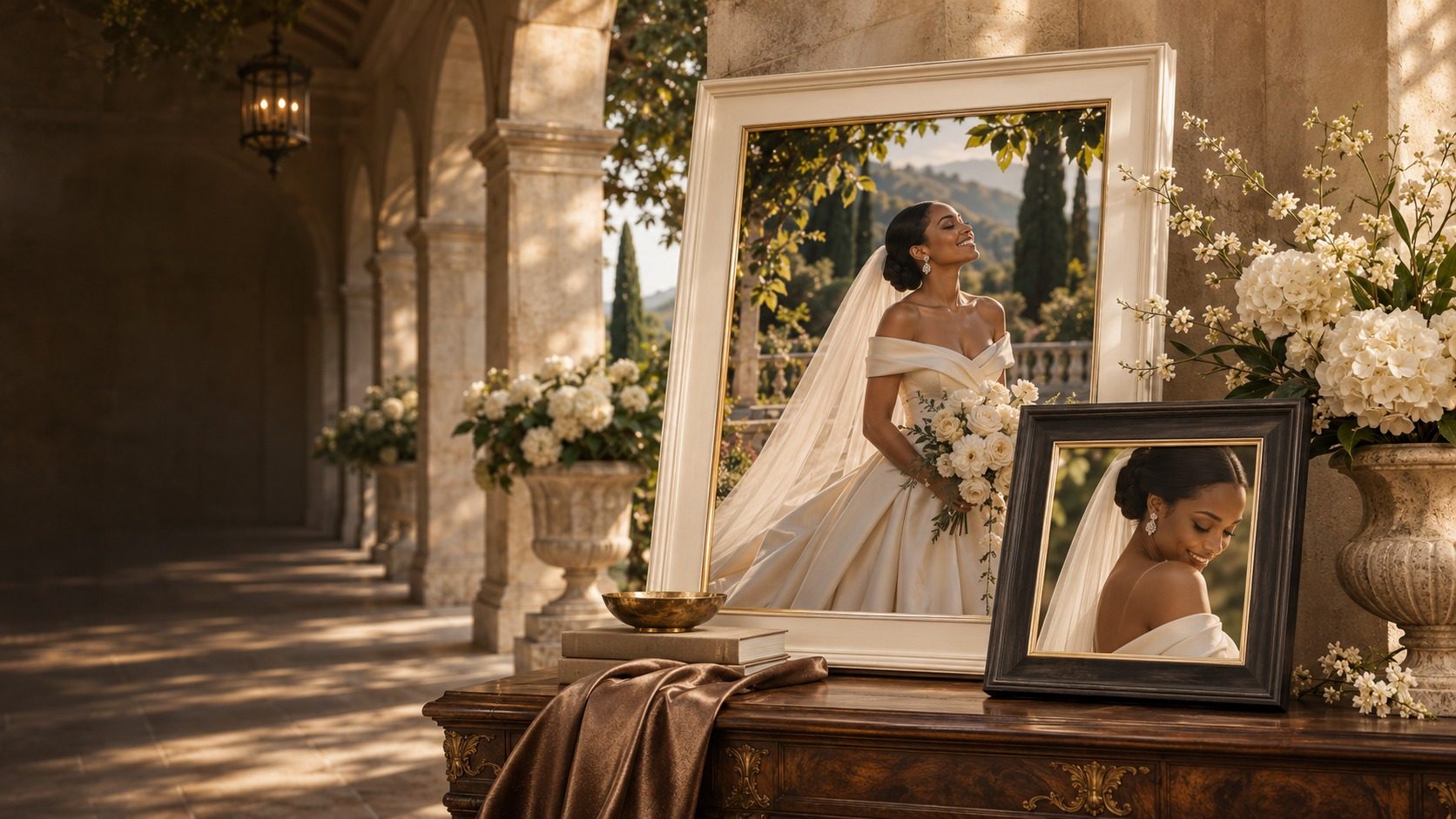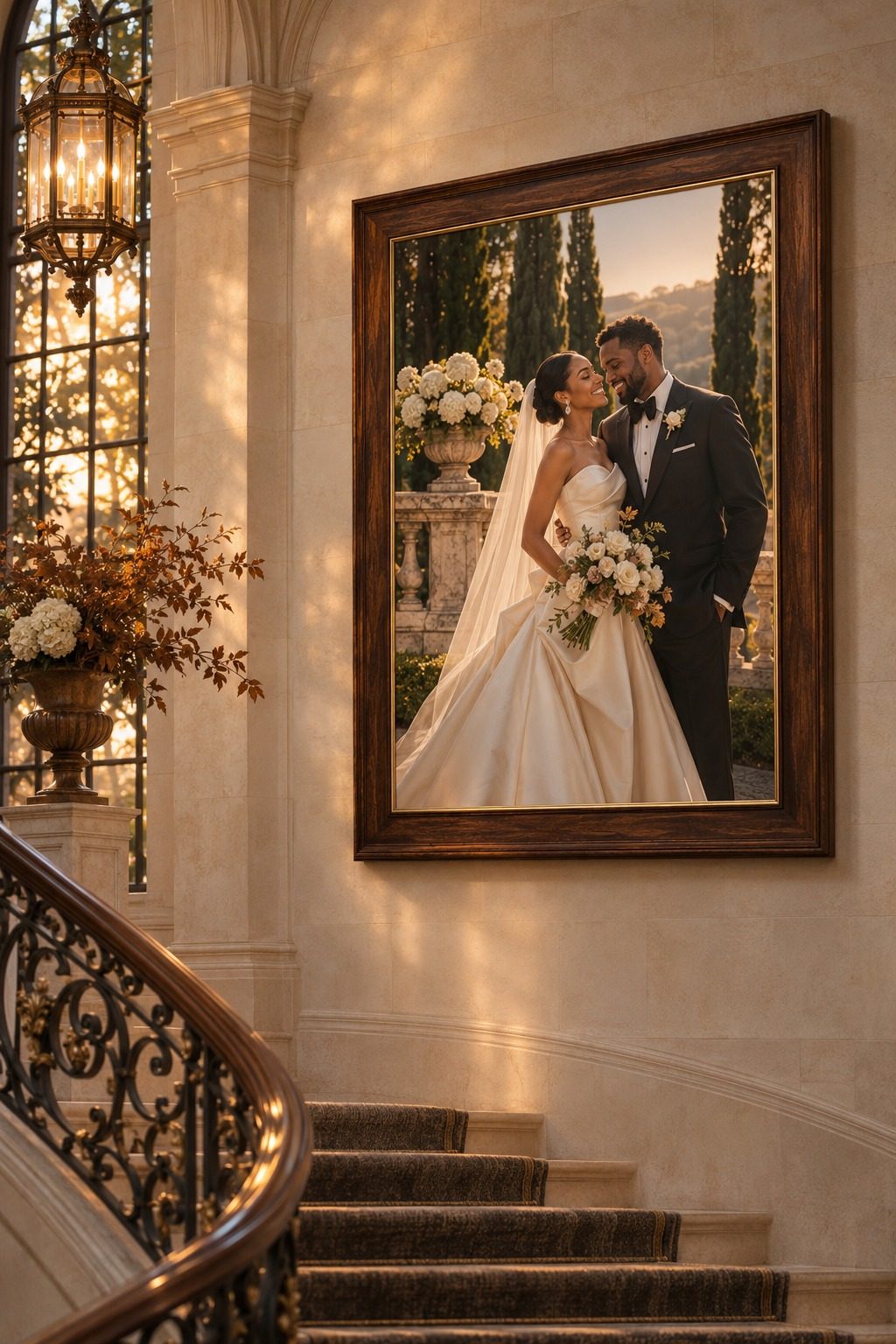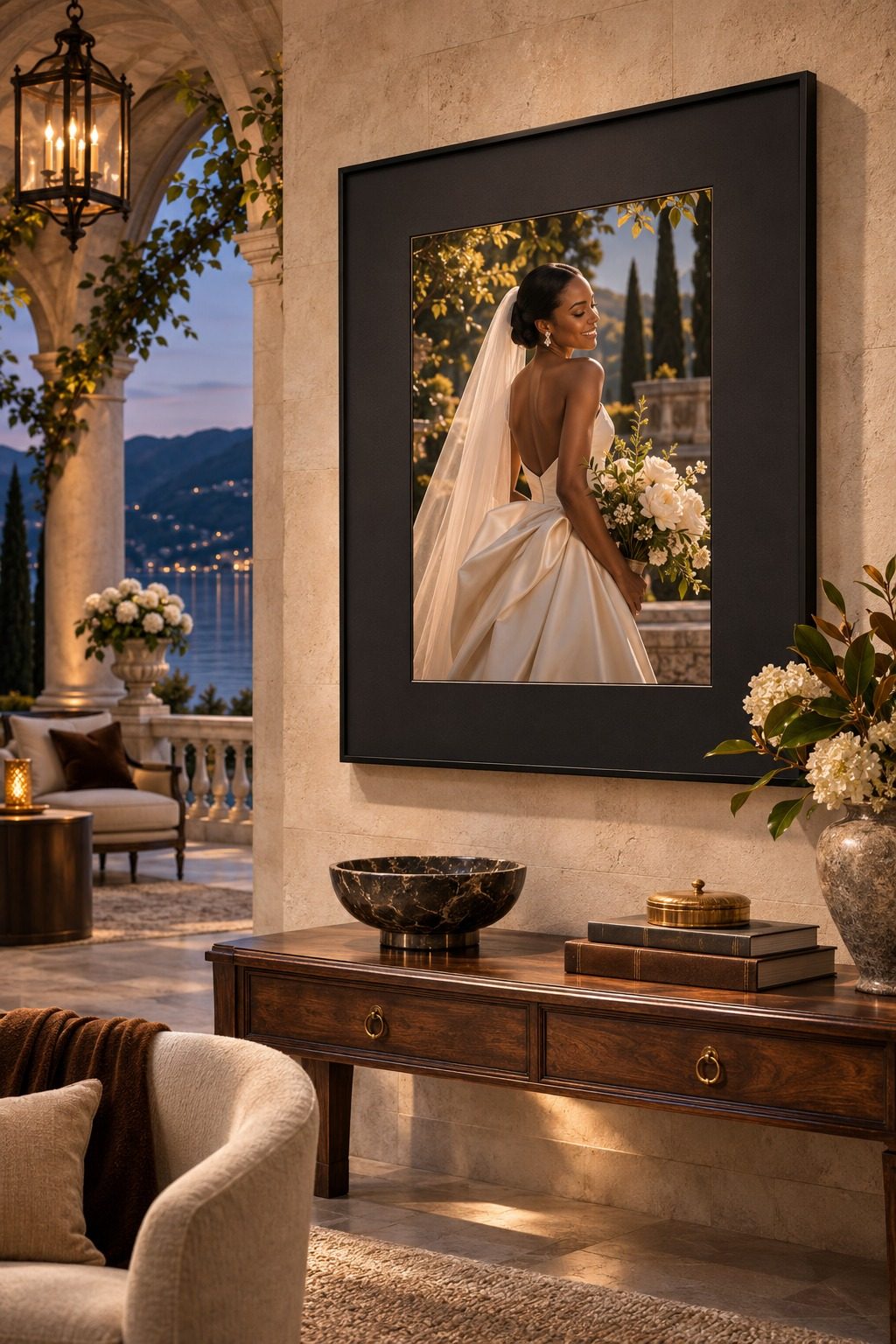
Let the story live in the room — The Haus of Grey editorial image

Galerie

Let the story live in the room.

The room gives the image another life.

A photograph on a wall is encountered differently from a photograph on a screen. You may see it from across a room each morning, then notice a smaller gesture when you walk past. Scale and placement should be considered alongside the image itself.

Begin by asking what this framed work should do in your life. Is it for a single occasion, for regular use or for someone else to keep? A clear answer helps the conversation move beyond an appealing photograph toward the wall, the viewing distance and the light. You can appreciate the visual language here and still take time to decide what is right for you.

Look closely before you choose.

Explore the walnut Meier studies and charcoal Obsidian frames as individual studies. The detail page is the place to understand the proposed piece and its stated starting price. Similar colors do not make two pieces interchangeable: the purpose, construction and scale may be quite different. Open the page that interests you and record the questions you would want answered before agreeing to a commission.

For this collection, those questions include finished dimensions, crop, surround, glazing, wall conditions and installation responsibilities. Bring the practical context with you. If the piece will be worn with something you already own, explain that relationship. If it will be displayed, held or gifted, describe the setting and the person who will encounter it. A useful specification connects appearance with actual use.

The conversation becomes a written specification.

An inquiry starts an exchange; it does not reserve a piece or establish a delivery date. Share the item name, intended occasion, timing and details that matter most to you. The studio can then identify what is known, what requires a sample or further discussion, and what should be confirmed before either side proceeds.

Starting prices are a point of reference for the stated piece. Changes in materials, scale, personalization, production or fulfillment need their own agreement. Review the complete arrangement rather than inferring an inclusion from a photograph. The accepted specification should give both sides a clear account of what is being made or provided.

Think about the years after the occasion.

Consider where the finished work will be kept and how it will be handled. Ask for guidance that applies to the actual materials supplied, especially when cleaning, storage, display or transport could affect them. A general care note is a beginning; the confirmed piece deserves instructions that fit its construction.

If you are still deciding, keep a small selection in your carnet and compare purpose before comparing detail. Choose the piece you can describe clearly: why you want it, how you expect to use it and what would make it feel right. When you are ready, its individual page offers a direct route to a private conversation.

Une histoire à vous

Shall we begin?

Tell us about the place, the people and the life you are celebrating. The first conversation is simply that: an opportunity to understand one another.

Begin a private conversation

A singular regard

Photography and cinema with room for the people.

A considered archive

Photographs and objects for a life together.

A private conversation

Begin with the people, the place and what matters.

Discretion, considered

Publication is a separate conversation.

À la recherche

A detail, a desire.

Search a commission, material or collection.

Votre carnet

The beginning of a collection.

Your selections remain on this device. They are a conversation, not an order.

Discuss your selections
Editorial study
Visual film study

Le langage du film · Visual storyboard

A four-frame visual direction study using generated stills. No recorded client film or soundtrack is represented.