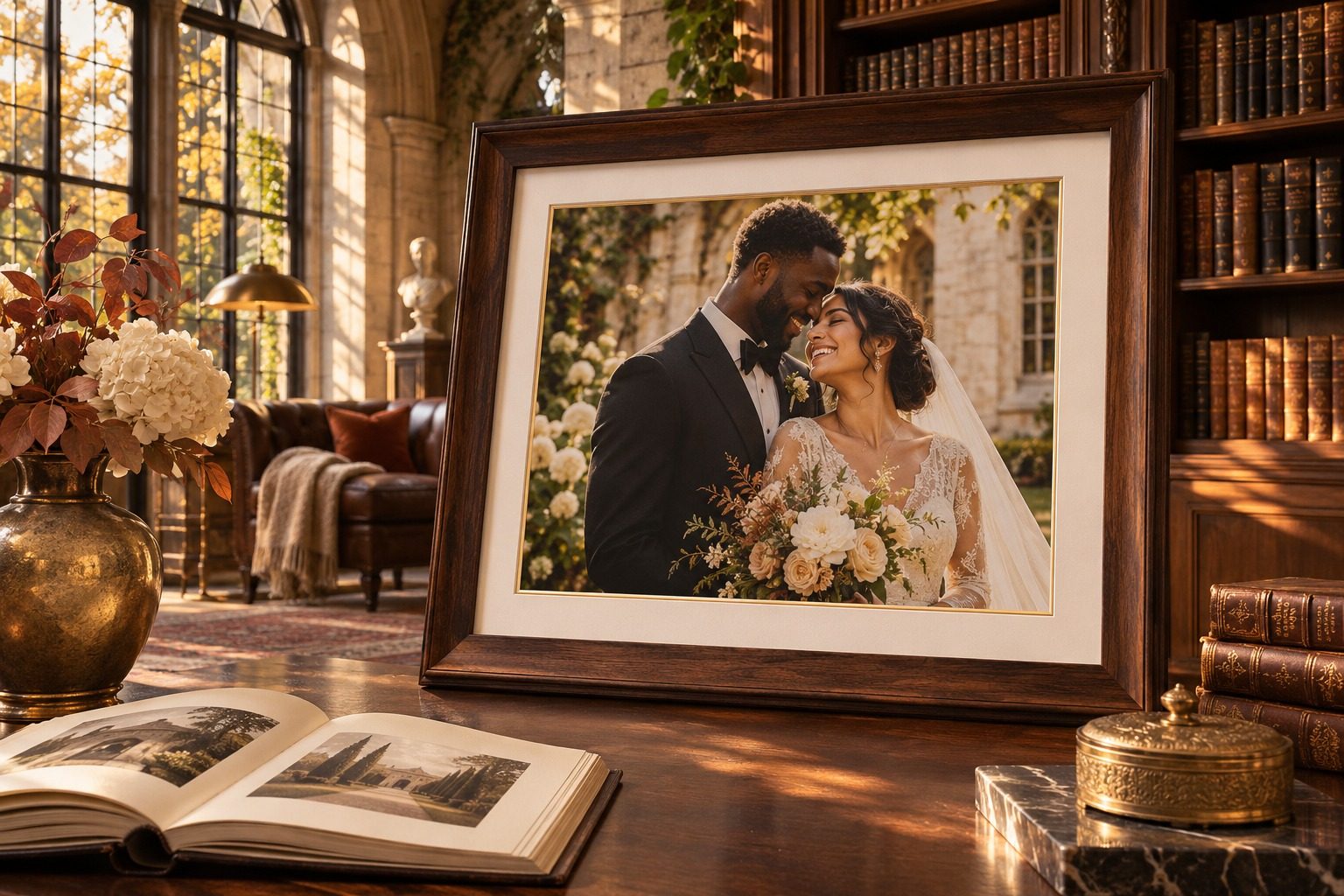
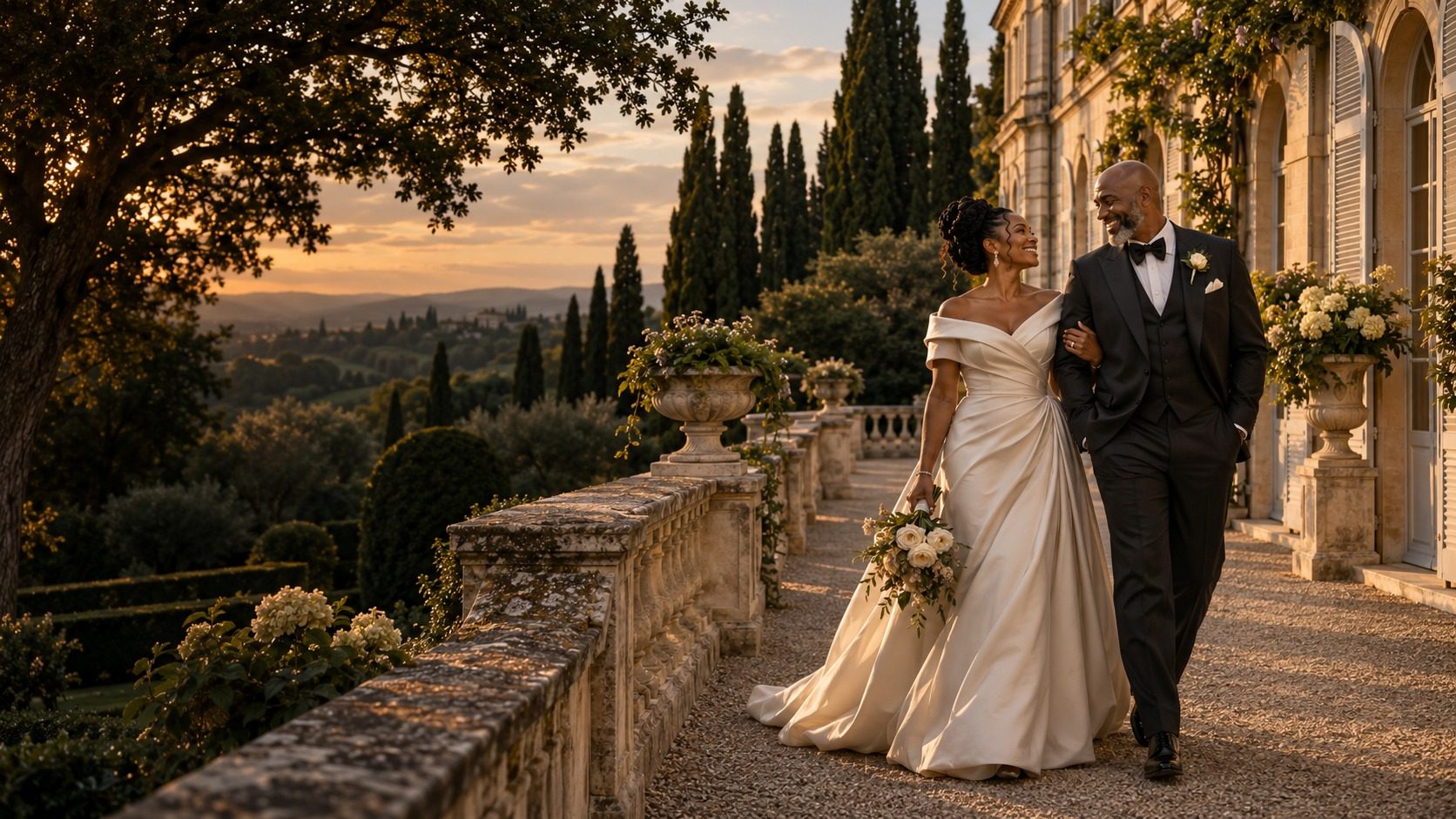
Choosing a wall piece begins with the room you live in, the distance from which you will see it and the photograph you want to encounter every day.
Begin with a room, not a dimension
The photograph you most admire on a screen is not automatically the one you will want to live with on a wall. A room has its own pace: the light in the morning, the furniture you pass, the doorway through which an image is first seen. Begin there. Notice a place in your home that could hold a photograph without competing with everything around it. It may be a generous wall above a console or a quieter interval between rooms, encountered in the course of an ordinary day.
Consider what you want the image to contribute. A wide architectural frame might bring calm to a busy space. A closer portrait may belong in a study where you can approach it. A moment full of movement may feel right near the place you gather with friends. These are personal relationships between an image and a room. There is no need to make the whole home an exhibition, or to choose the largest available size because it appears the most significant.
Look from the distance of daily life
Stand where you will usually see the work. From that distance, a fine facial expression may become less legible while a strong gesture remains clear. Return to the image with that in mind. You are choosing how the photograph will be experienced, not simply how much space it will occupy. A temporary paper outline can help you understand the proposed outer size. Leave it in place long enough to see how it sits beside a door, a lamp and the movement of people through the room.
Be precise about dimensions when discussing a proposal. An image size, a mount opening and an outer frame size describe different things. A broad mount can make a modest photograph occupy a much larger area of wall. The final proof should show which measurement you are approving and how the image sits within it. For a pair or small sequence, consider the relationship between the works as well as the size of each. A considered gap can give them room to remain distinct.
Let the materials be stated clearly
A frame changes the way the eye enters a photograph. Dark walnut may bring warmth and depth; a narrow matte metal edge may make a more graphic line. The best choice is one you can understand through real samples beside the image and, where possible, in the room’s light. Surface, colour and proportion matter more than a dramatic material description. Ask to see the selected paper, mount and finish together. The combination is the work you will receive, so it deserves a complete view.
Glazing and mounting should be described by the actual materials being supplied. A named acrylic should not be called glass, and a broad conservation claim should be supported by a clear specification. Discuss reflections, the room’s light, access for delivery and the wall on which the piece will hang. Larger work also needs an appropriate installation plan. These details are part of a finished object’s suitability for your home, even when the photograph and frame themselves are deliberately restrained.
Choose a photograph you can keep meeting
A family wall piece need not explain the entire occasion to a visitor. It may hold a private reference that only the two of you recognise: a pause before entering dinner, a familiar hand on a shoulder, the place where you first stood together after the ceremony. That small reserve can make the image rewarding to live with. You are allowed to choose something quieter than the most dramatic frame. The question is whether you still want to look when the novelty of the celebration has passed.
Keep the final specification, installation information and care guidance with your household records. Then let the work become part of the room. Over time it may appear in the background of other family photographs, move to another home or be joined by an image from a later season. Its meaning can grow through that ordinary presence. The most lasting choice is often a photograph that makes room for your life to continue around it, while keeping one particular day close enough to see.