
A place people can see themselves in — The Haus of Grey editorial image

In thoughtful company · Venues

A place people can see themselves in.

Thoughtful visual conversations for venues and the gatherings they hold.

The experience

Let the atmosphere meet the practical truth.

A venue is experienced through arrival, light, movement and hospitality. We consider a dedicated visual commission or coordination around a couple’s event through an individual scope that respects both.

A first conversation clarifies the purpose and the people involved. Availability, responsibilities, production and deliverables are then confirmed in a written scope. Directory inclusion or an introduction does not by itself establish a partnership.

Before

A brief that makes priorities, practical responsibilities and open questions visible. One current plan gives the collaboration a workable foundation.
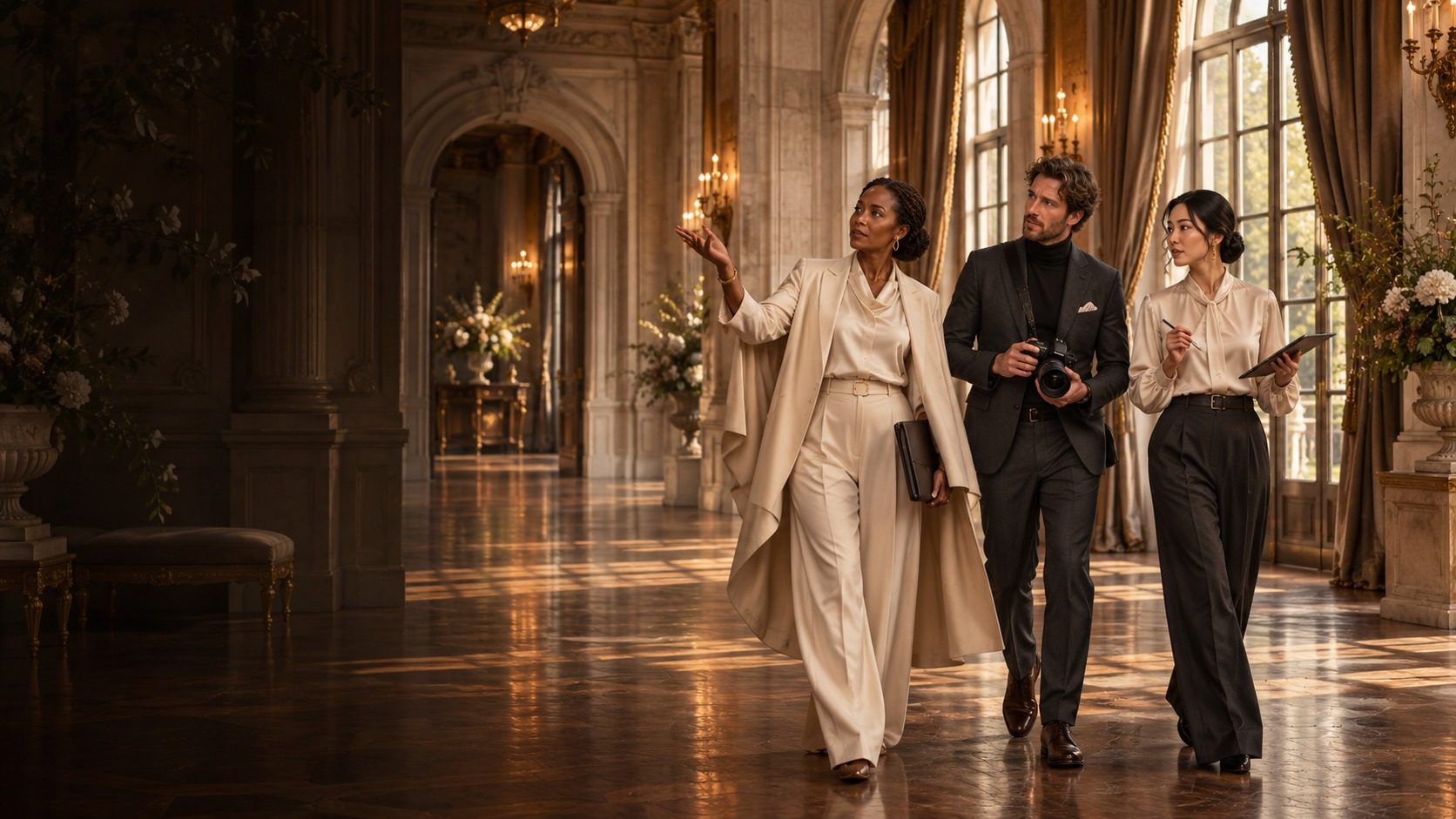
During

Room for people to participate, with the visual team working within an agreed production plan and respecting the venue and gathering.

After

A clear delivery and permissions conversation. The archive and any additional image use receive their own considered attention.
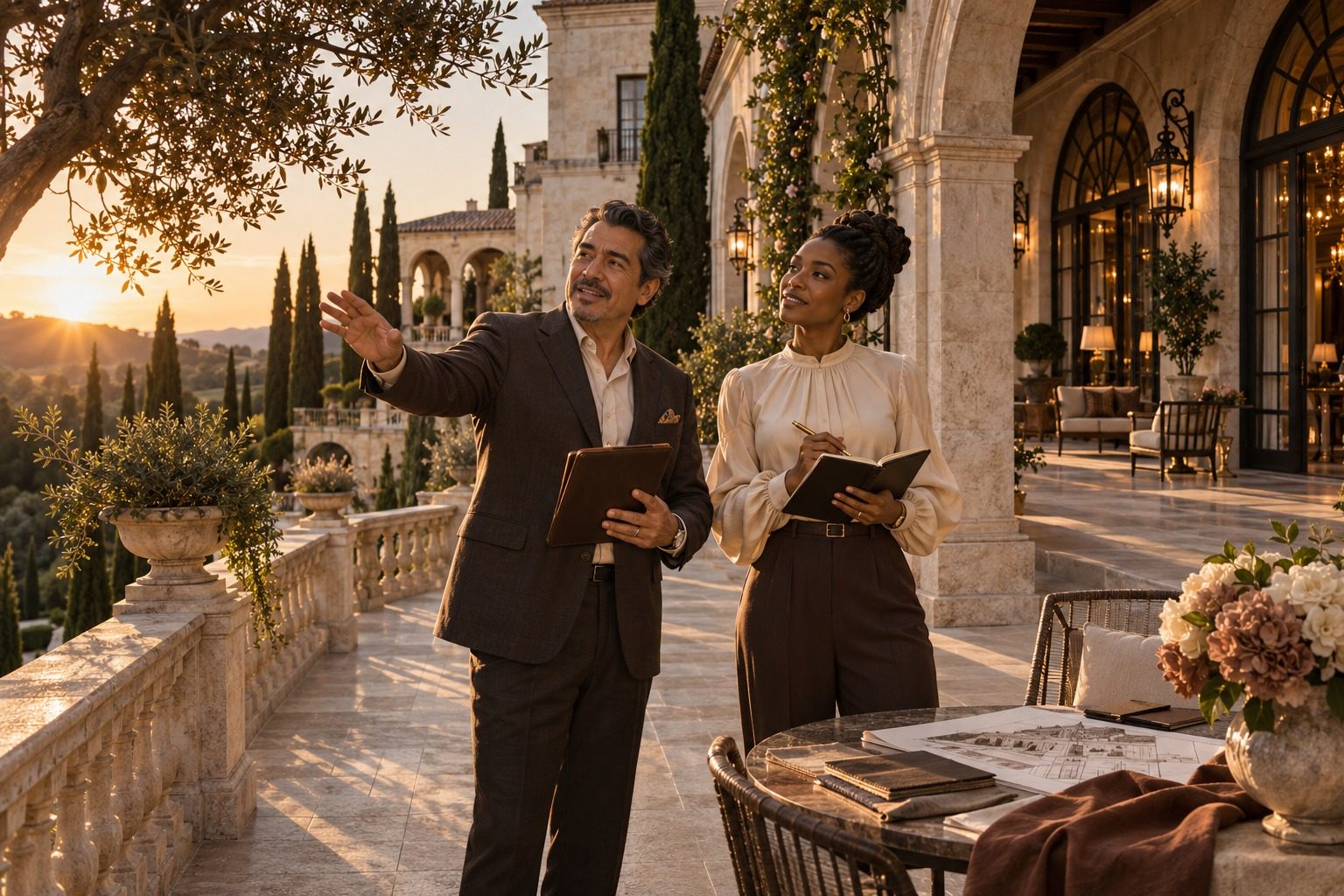
A way of seeing, with room for people — The Haus of Grey editorial image

A considered next step

A way of seeing, with room for people.

Explore the Haus’s editorial imagery, then tell us what speaks to your own gathering or project.

Explore the portfolio

Questions, considered

A little more clarity.

What should I include in an introduction?

Share your role, working date, location and purpose. A short description of the people and what remains undecided is more useful than a finished moodboard.

Does this establish a preferred partnership?

No. Any accepted collaboration, commercial arrangement or image license is confirmed separately in writing.

Can we discuss privacy and publication?

Yes. The intended use, the couple’s preferences and any publication boundaries should be part of the first planning conversation.

A considered experience

Help people understand how a place feels.

Thoughtful work begins with a useful introduction.

A room needs to be seen in relation to the people who will use it. A venue conversation can consider an editorial commission, practical access for a client celebration or an intentional library of images for a specific purpose.

A venue’s marketing commission is distinct from a couple’s wedding record. Rights, styling, production, releases and deliverables need a written scope; access to client photographs does not grant unrestricted commercial use.

A considered experience

What to bring to the conversation.

Your next decisions, in context

What spaces, seasons and uses need to be understood?

Which setup, access, staffing and release responsibilities belong to the venue?

Where will the images appear and who needs permission to use them?

If the date, place or scope is not yet settled, say so. What matters is a clear distinction between the decisions already made and the ones that need more information.

A considered experience

A relationship with clear edges.

Responsibility is part of the experience

The accepted proposal is the shared reference for the actual commission. It should make the work, responsibilities, permissions, timing and payment terms understandable. If something matters to your decision, ask for it to be resolved before agreeing.

For a client celebration, family relationships, traditions and privacy are not decorative details. They affect how the day moves and how the team works. Share the context that helps the people feel understood, with only the personal information needed for that purpose.

By private arrangement

Begin a private conversation.

Tell us about the people, the place and the experience you want to create. A first inquiry helps the studio understand your request. Availability, scope and terms follow in an individual written proposal.

Please share only the details needed for this conversation. Payment information and sensitive personal documents do not belong in this form.

Your inquiry is used to respond to your request. Read our privacy policy. Sending an inquiry does not reserve a date.

Start with the decision in front of you.

A useful conversation does not require every answer at once. For the venue team, it helps to identify one decision that affects the experience and the person best placed to resolve it. That may be a room that changes during the celebration, an access restriction, or a location where guests need a clearer route. Give the decision a name, an owner and a point at which it needs to be settled.

Separate a preference from a responsibility. A preference describes the atmosphere or result you hope for. A responsibility identifies who will make it possible and under what conditions. Both matter. A beautiful reference can start the conversation, but it becomes more useful when accompanied by the place, time, people and permissions that belong to your actual event.

Leave the conversation with a shared record.

After an alignment meeting, write a short summary: what is confirmed, what is still open and the next action for each person. Use the same event date, location names and version of the schedule across the team. A written record helps people work from a common understanding when the day becomes busy.

Return to that record when a material decision changes. A new ceremony time may affect transport and light; a room change may affect access and the visual plan. Share the practical consequence with the people responsible. The aim is a calm handoff of information, so the celebration can remain about the people gathering.

A singular regard

Photography and cinema with room for the people.

A considered archive

Photographs and objects for a life together.

A private conversation

Begin with the people, the place and what matters.

Discretion, considered

Publication is a separate conversation.
À la recherche

A detail, a desire.

Search a commission, material or collection.

Votre carnet

The beginning of a collection.

Your selections remain on this device. They are a conversation, not an order.

Discuss your selections
Editorial study
Visual film study

Le langage du film · Visual storyboard

A four-frame visual direction study using generated stills. No recorded client film or soundtrack is represented.