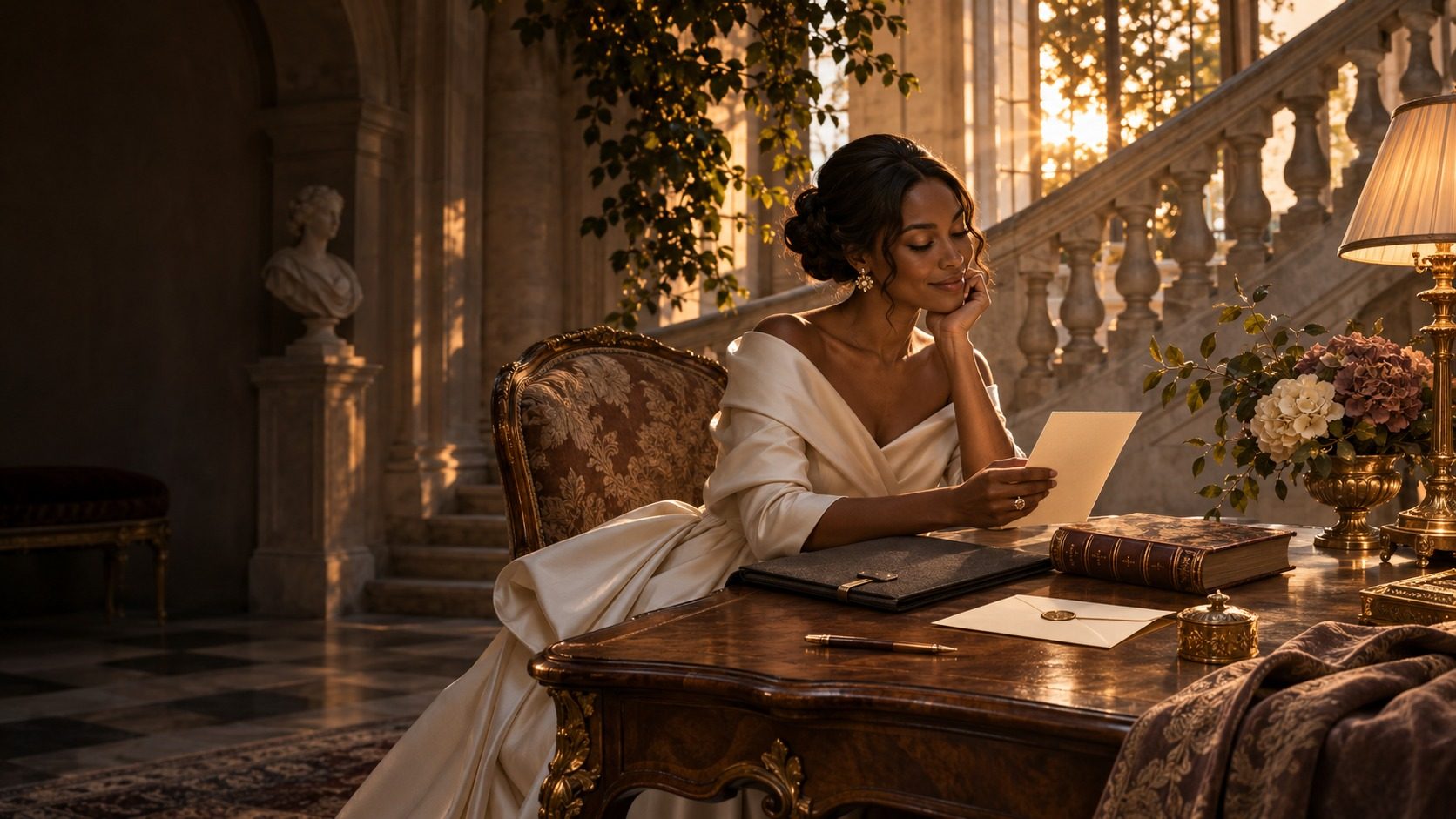
La Correspondance — The Haus of Grey editorial image

La Correspondance

A letter from the Haus.

On celebrating, photographs and the things we choose to keep.

The opening letter · November 2026

Make room for the people.

Dear reader,

A wedding begins to take shape through decisions: a place, a date, a table, a garment, a person you hope will be there. It is easy for the list to become so full that the reason for gathering slips to the edge.

Our first note is an invitation to bring it back. Before choosing another reference, name three experiences you want to have. Perhaps you want to hear a familiar voice without watching a clock. Perhaps you want an unhurried portrait, or simply time to sit beside the person you are marrying.

Share those priorities with the people helping you. Ask which parts of the plan support them and which are competing for the same space. A considered celebration can be expansive or intimate. Its character comes from the relationship between the choices, and from the people who live inside them.

One useful conversation

Ask your planner and visual team to walk through the transitions, not only the start times. Preparation to departure. Ceremony to family photographs. Dinner to spoken words. Name who owns each handoff and what can be simplified if the day changes.

That small piece of order can give you something valuable: permission to stop managing every moment and begin experiencing it.

With care,
The Haus of Grey
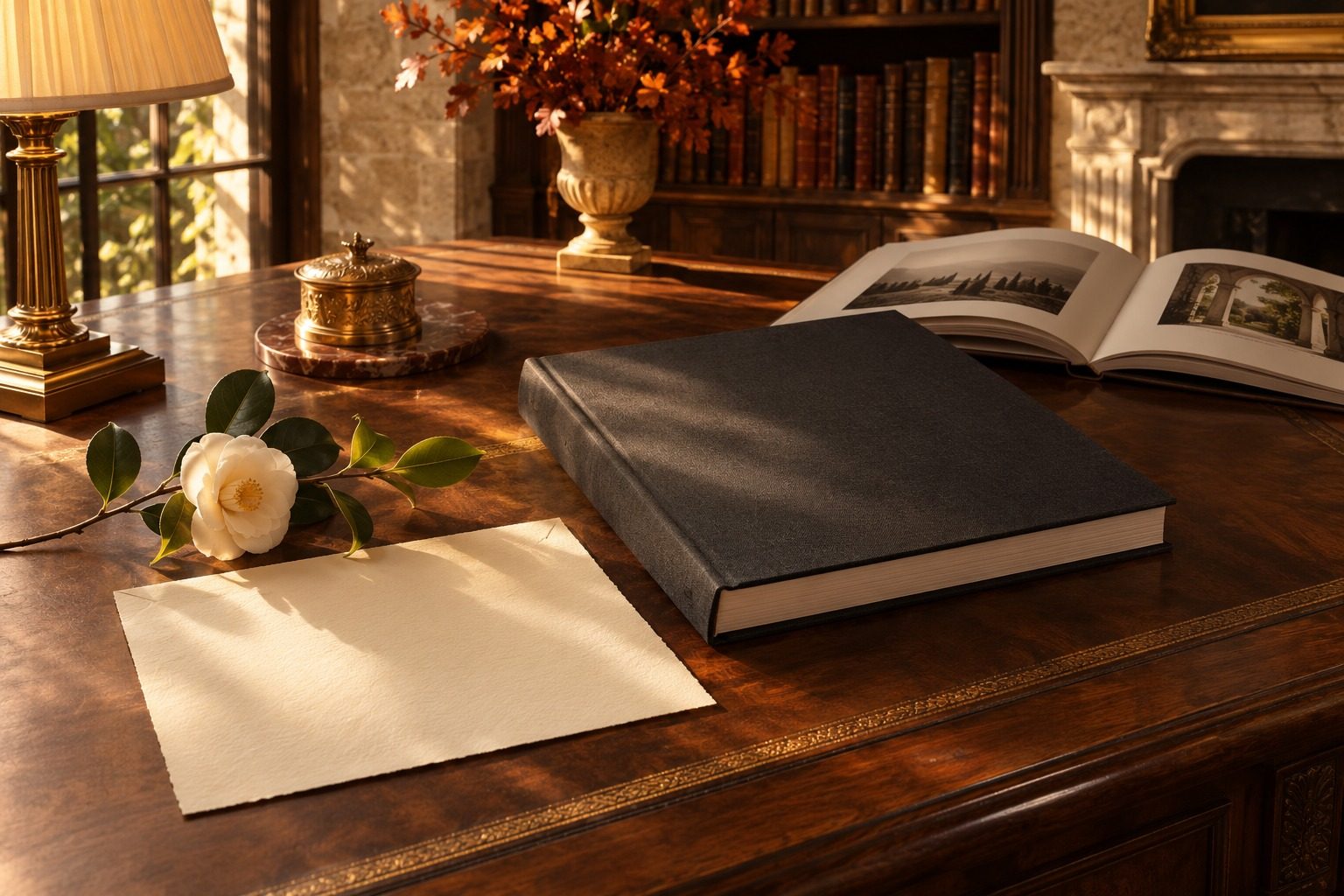
Read: Be a Guest at Your Own Wedding

La Correspondance

A letter worth opening.

Notes from the Haus on celebrating, photographs, thoughtful objects and a life together.

We’ll send the Haus’s planning notes and studio news to the address you share. Read our privacy policy.

A quieter place to think about the celebration.

Planning often rewards the next urgent decision. La Correspondance makes space for the questions that deserve a little more attention: how to recognize the people, protect time for the experience and decide what should remain after the day.

The letter extends the Haus’s journal and planning conversations. It can sit beside the practical work of choosing a venue, aligning a team or considering a photographic commission. There is no need to turn every idea into a purchase; a useful question can simply help you make the next decision more clearly.

People, place and the life of an image.

The Haus’s editorial world moves between the gathering and the objects that hold its memory. A family portrait list may lead to a conversation about relationships. An album may lead to a conversation about sequence, privacy and the way a photograph lives at home.

Read the opening letter and explore the Journal to understand that point of view. The planning library gives more structured working companions when you want to put an idea into practice. Each has its own page, so you can choose by role and current need.

Begin with the conversation that interests you.

Leave your name and email in the request form to record your correspondence request. The website confirms that record. A service inquiry is separate and belongs on the relevant commission or contact page, where you can share the actual occasion and what you would like to discuss.

If you already have a commission, keep project-specific decisions in the agreed studio conversation so dates, approvals and changes remain together. The letter is an editorial companion to that work, not a replacement for the written arrangement.

La Correspondance — The Haus of Grey editorial image

A singular regard

Photography and cinema with room for the people.

A considered archive

Photographs and objects for a life together.

A private conversation

Begin with the people, the place and what matters.

Discretion, considered

Publication is a separate conversation.

À la recherche

A detail, a desire.

Search a commission, material or collection.

Votre carnet

The beginning of a collection.

Your selections remain on this device. They are a conversation, not an order.

Discuss your selections
Editorial study
Visual film study

Le langage du film · Visual storyboard

A four-frame visual direction study using generated stills. No recorded client film or soundtrack is represented.